In-Situ Biological Desludging
for Wastewater Ponds and Lagoons
Specialist microbial plugs placed directly into sludge buildup zones to support organic sludge reduction, restore treatment volume, and reduce reliance on disruptive mechanical desludging.
Sludge buildup reduces effective treatment volume, increases odour risk, and places unnecessary stress on wastewater assets. Aquativ's in-situ program uses targeted microbial plug technology to stimulate the breakdown of organic sludge where it sits — without the disruption of major mechanical intervention.
Up to 15 species
of bacteria in our program
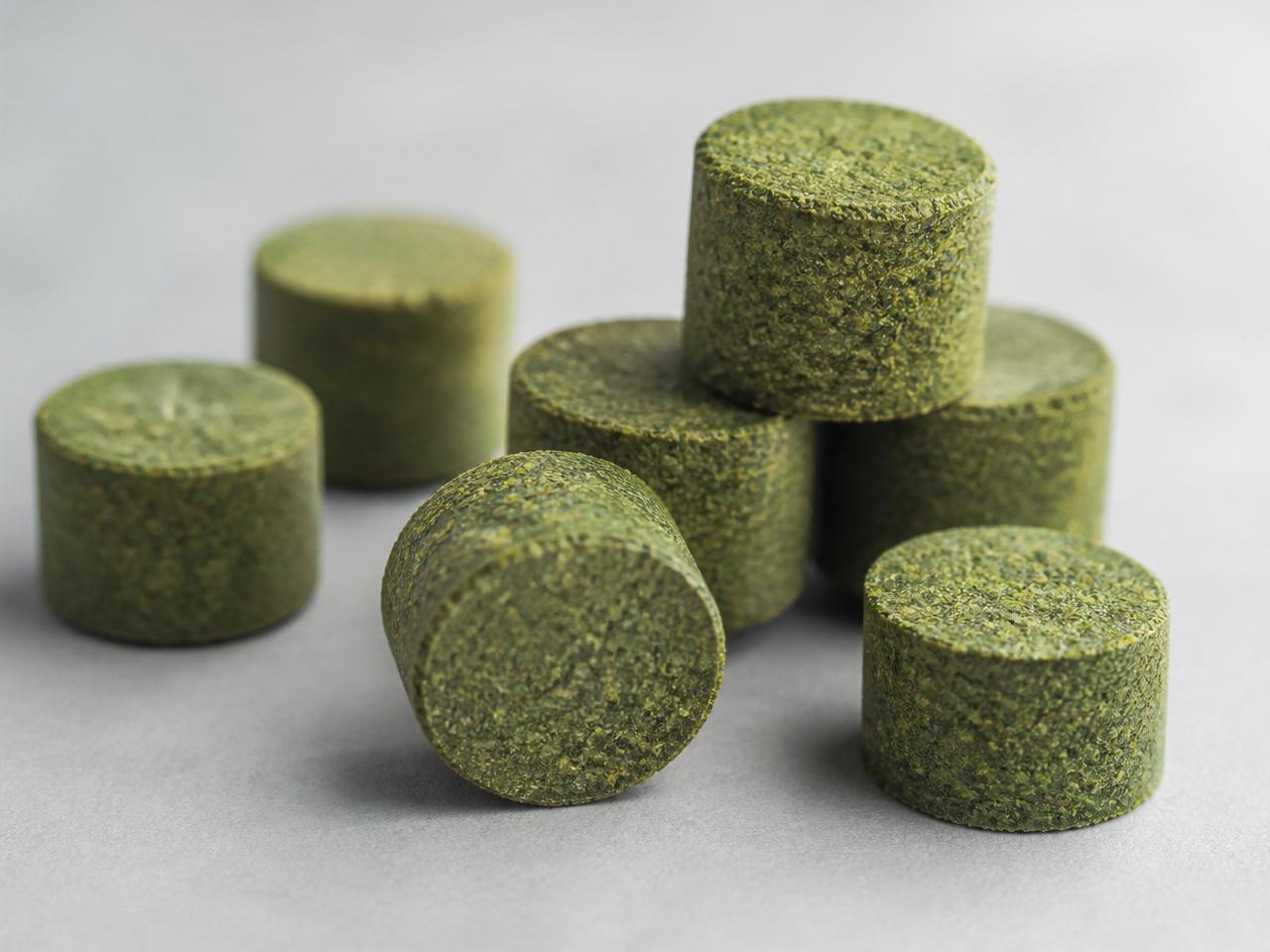
Specialist Microbial Plugs
Slow-release biology delivered directly to the sludge–water interface.
Sludge reduces capacity and treatment stability
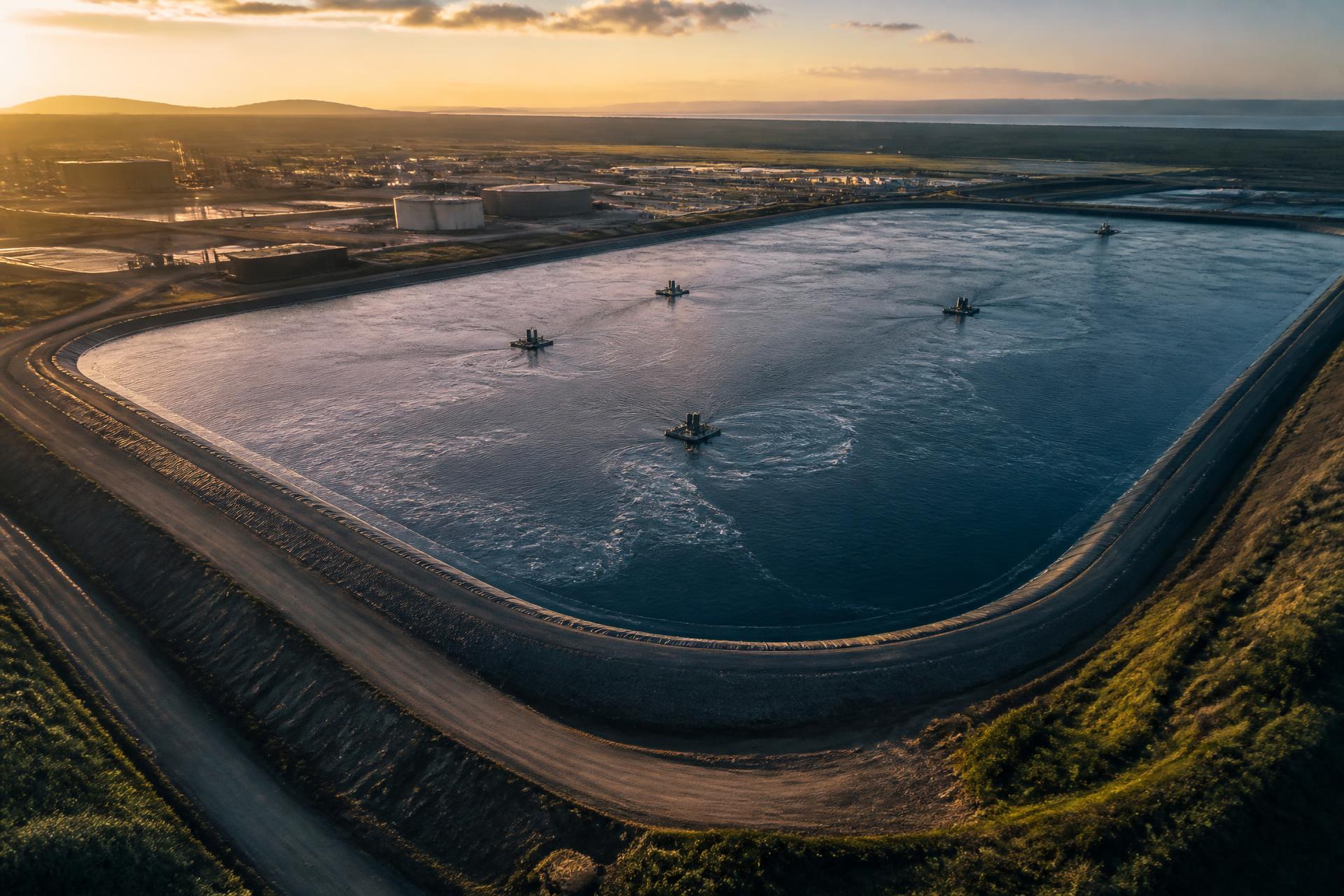
Wastewater ponds and lagoons are designed to provide retention time, biological activity, and solids management. As sludge accumulates, the system loses effective volume. Hydraulic retention time decreases, odour risk increases, and treatment performance becomes less stable. This is common in abattoirs, municipal ponds, dairy lagoons, farm ponds, feedlots, piggeries, and food-processing wastewater systems.
Reduced lagoon capacity
Accumulated sludge displaces the working volume the pond was engineered to hold.
Lower hydraulic retention time
Shorter HRT compresses biological reaction time and reduces treatment stability.
Increased odour and septic risk
Anaerobic zones expand as sludge builds, driving H2S and complaint risk.
Higher mechanical desludging cost
Dredging, dewatering, transport and disposal cycles become more frequent and costly.
A smarter in-situ approach
Instead of immediately relying on dredging, pumping, or disruptive mechanical removal, Aquativ targets sludge accumulation zones with slow-release specialist microbial plugs. These plugs release selected bacteria, enzymes, micronutrients, and biological stimulants directly into the sludge–water interface, where organic solids can be progressively degraded.
- STEP 01Sludge survey and hotspot identification
- STEP 02Targeted plug deployment
- STEP 03Enzyme release and sludge hydrolysis
- STEP 04Microbial conversion of organic solids
- STEP 05Monitoring and asset-capacity review
Designed for aerobic and anaerobic systems
Aerobic Treatment Ponds
Aerobic systems rely on continuous oxygen transfer. Traditional mechanical desludging can require aerators to be switched off for access, dredging, or equipment movement. Even short aeration interruptions can stress high-load systems, reduce dissolved oxygen, and increase odour risk. Aquativ's in-situ approach allows targeted biological treatment while helping maintain aeration continuity and process stability.
- Maintains aeration continuity
- Reduces operational disruption
- Supports BOD and COD reduction
- Assists organic sludge breakdown
- Helps protect biological stability
Anaerobic and Covered Lagoons
Anaerobic lagoons depend on staged microbial conversion of organic matter. Aquativ's biological plugs support hydrolysis and organic sludge digestion in low-oxygen environments. For covered lagoons, targeted access through small engineered incisions can often be more cost-effective than removing or lifting the entire cover.
- Supports anaerobic sludge digestion
- Useful for covered lagoons
- Reduces major cover-removal disruption
- Targets sludge hotspots
- Supports odour and asset-risk management
Specialist biology that targets organic sludge
Sludge is a complex matrix of fats, proteins, fibres, carbohydrates, microbial biomass, and partially degraded organic matter. Aquativ's specialist microbial approach uses selected organisms and enzyme systems to improve the breakdown of organic sludge.
Protease activity
Breaks down proteins from meat, blood, dairy, and food waste.
Lipase activity
Targets fats, oils, and grease bound into the sludge matrix.
Amylase activity
Supports starch and carbohydrate breakdown from processing waste.
Cellulase activity
Assists fibrous organic material and plant residues.
Facultative bacteria
Perform across variable oxygen zones typical of lagoon sludge.
Biological desludging is most effective on organic sludge. Inert material such as sand, grit, stones, plastic, and heavy silt may still require mechanical removal.
Industries we support
Abattoirs and meat processing
Targets FOG, protein, blood, paunch, and high-strength organic sludge.
Municipal wastewater ponds
Supports long-term pond capacity and sludge maintenance planning.
Dairy effluent lagoons
Assists with milk fats, proteins, washdown waste, and organic pond solids.
Farm and feedlot ponds
Helps improve storage capacity and reduce organic sludge accumulation.
Piggeries and poultry
Supports manure-rich wastewater and odour-risk management.
Food-processing wastewater
Targets fats, starches, sugars, proteins, and mixed organic residues.
Covered anaerobic lagoons
Allows targeted treatment without major cover removal.
Industrial biological ponds
Supports proactive biological asset management.
Why in-situ biological desludging?
Covered lagoon access without full cover removal
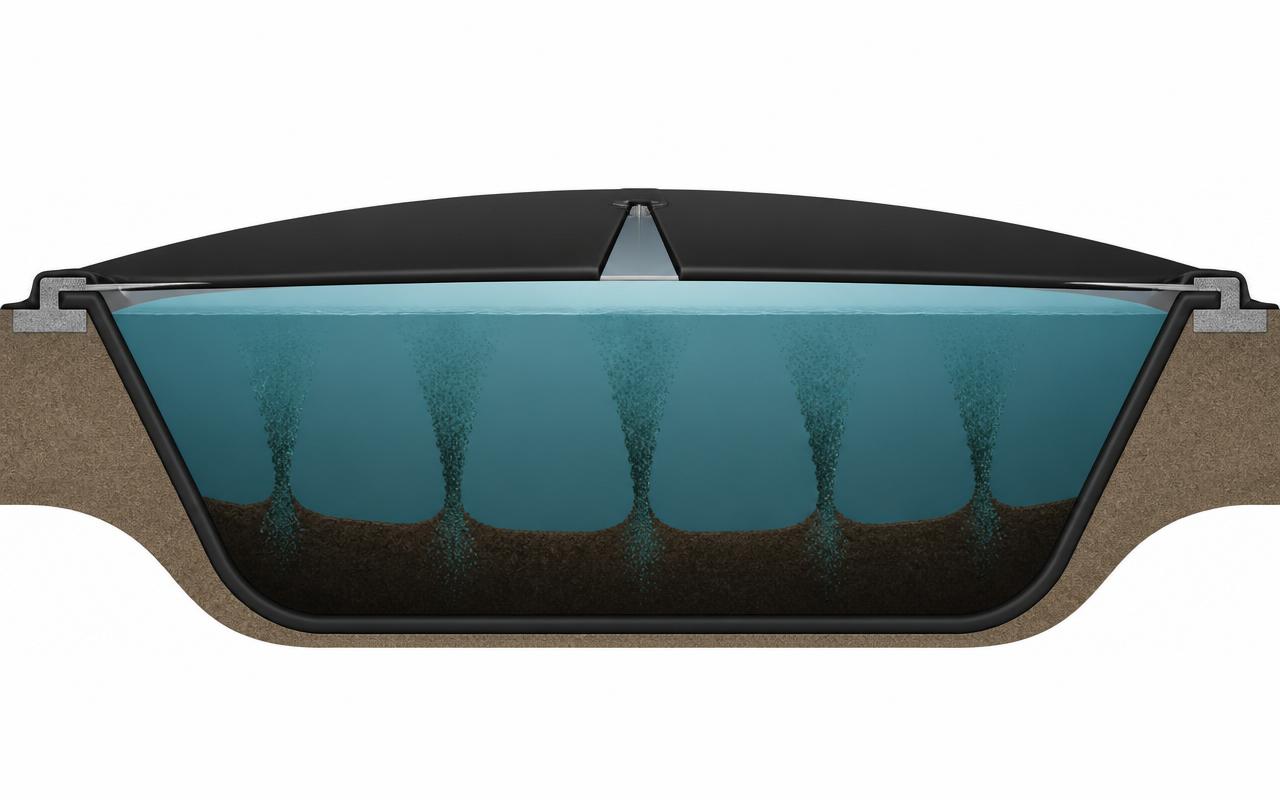
Covered anaerobic lagoons are expensive and complex to access. Full cover removal can create major cost, odour, biogas, welding, and operational risks. Aquativ can support a targeted biological approach where small engineered access points are created, microbial plugs are inserted into selected sludge zones, and the access points are professionally re-welded. This allows sludge treatment to begin without the disruption of removing the entire lagoon cover.
- Covered lagoon cross-section assessment
- Small engineered access incision
- Plug deployment into sludge layer
- Re-welded cover point
- Biological activity in sludge zone
Measured, monitored, and defensible
Aquativ's approach is based on practical engineering control. A successful program starts with sludge-depth assessment, deployment planning, biological selection, and monitoring. Progress should be measured through repeat sludge surveys, operating data, and site-specific performance indicators.
Request a site-specific desludging assessment
Get a sludge depth survey, deployment plan, and biological program matched to your lagoon — with a response from an Aquativ wastewater specialist within one business day.
Book a sludge assessment
Sludge is not just a maintenance issue. It is an asset-capacity, compliance, odour, and operating-cost issue. Aquativ helps wastewater operators move from reactive sludge removal to proactive biological sludge management.