Biological treatment, explained plainly.
Aquativ programs use targeted bacterial consortia and enzymes to support the natural digestion processes that water systems already rely on - accelerated, stabilised and dosed for the specific conditions of your site.
Four steps from dose to stable performance.
Dose
Concentrated biological program applied to the inlet, sump or wet well at a rate matched to system loading.
Activate
Cultures hydrate and begin colonising surfaces, biofilm layers and sludge interfaces.
Digest
Enzymes and bacteria break down fats, proteins, starches and organic load into simpler compounds.
Stabilise
Population establishes, odour pathways drop, and system performance steadies on maintenance dosing.
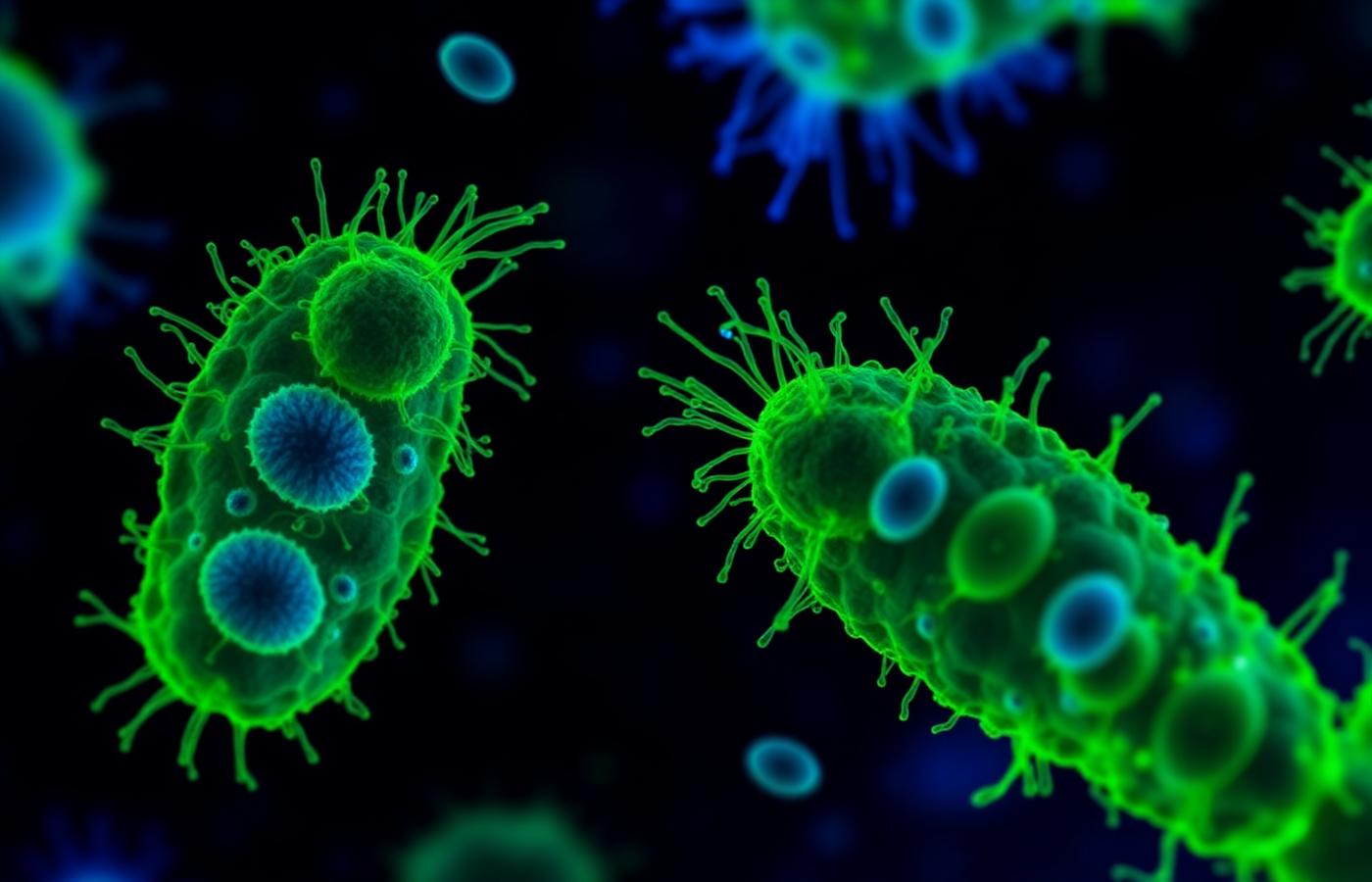
Six biological levers behind every program.
Microbial consortia
Multi-strain blends matched to aerobic, anaerobic or facultative conditions.
Enzymatic support
Lipase, protease and amylase activity to accelerate hydrolysis of complex molecules.
Nutrient balance
Programs respecting the carbon, nitrogen and phosphorus relationships your bugs need.
Targeted reseeding
Recovery cultures for biofilters, digesters and activated sludge after upsets.
FOG digestion
Bacterial action on fats, oils and grease in kitchen and trade-waste lines.
Odour pathway control
Addressing the biology behind hydrogen sulphide and VFA-driven smells, not masking it.
Site conditions vary.
Biological treatment programs should be matched to actual loading, retention time, temperature and system design. Aquativ recommends a site review before adopting a maintenance program. Outcomes depend on system condition, dosing discipline and operational factors outside the product itself.
How Aquativ biological treatment works
What is wastewater bioaugmentation?
Bioaugmentation is the deliberate addition of selected bacteria and enzymes to a wastewater system so the biology already present is supported by organisms suited to the actual load. Aquativ formulates these consortia for aerobic, anaerobic and facultative conditions and doses them on a schedule matched to the site.
How do the bacteria and enzymes actually work?
Enzymes such as protease, lipase, amylase and cellulase break large organic molecules, proteins, fats, starches and fibre, into smaller fragments. The bacteria then metabolise those fragments, converting organic solids into water, carbon dioxide and new cell mass. This is the same pathway a healthy system uses; the program supplies capacity where the resident population is limited.
Which systems can Aquativ programs be used in?
Septic tanks and on-site systems, grease traps and trade-waste lines, pump stations, aerobic and anaerobic lagoons, digesters, biofilters and odour scrubbers, and full biological wastewater treatment plants. Programs are selected by system type, oxygen regime and organic load rather than by industry name alone.
What outcomes should a site expect?
The intent is more stable biology: slower organic sludge accumulation, better FOG breakdown, lower odour-generation risk and steadier BOD/COD performance. Results depend on loading, retention time, temperature, system condition and dosing discipline, so Aquativ recommends baseline measurement before and during a program rather than quoting fixed figures.
What are the limitations?
Biological treatment does not remove inert solids, grit, plastics or non-organic material, and it cannot compensate for undersized or mechanically failed assets. Strong disinfectants, extreme pH, some solvents and toxic shock loads inhibit the biology. Where those conditions exist they need to be addressed alongside, or instead of, dosing.
How do I engage Aquativ?
Contact Aquativ with your system type, approximate loading and the problem you are seeing. A wastewater specialist reviews the details and proposes a dosing program. Aquativ operates Australia-wide and can be reached at aquativesol@gmail.com or via the contact page.
Explore related biological programs
- In-situ biological desludging for ponds and lagoonsTargeted microbial plugs for sludge reduction in aerobic and anaerobic lagoons.
- Biological grease trap and FOG treatmentDosing programs that slow fats, oils and grease accumulation in kitchens and trade waste.
- Industrial wastewater solutions for processors and councilsFood processing, abattoirs and rendering, municipal utilities and trade-waste sites.
- Commercial wastewater solutionsHotels, food service, aged care, strata and childcare facilities.
- Septic and household biological treatmentSeptic tanks, drains and household odour control.
- Full Aquativ biological product rangeEvery microbial and enzymatic program, home through to industrial.
Need a treatment program that fits your site?
Tell us about your application and we'll match the right biological program.