
Why biological treatment is moving from niche to mainstream

For decades, biological dosing in Australia sat at the edges of the water treatment industry - a niche tool used by a handful of specialists. In 2026 that picture has changed. Hospitality groups, councils, food processors and remote communities are now writing biological programs into their standard operating procedures, not just their emergency call-outs. The drivers are pragmatic: tighter trade waste limits, rising chemical and pump-out costs, and a workforce that has watched reactive maintenance fail one too many times.
From firefighting to programmed dosing
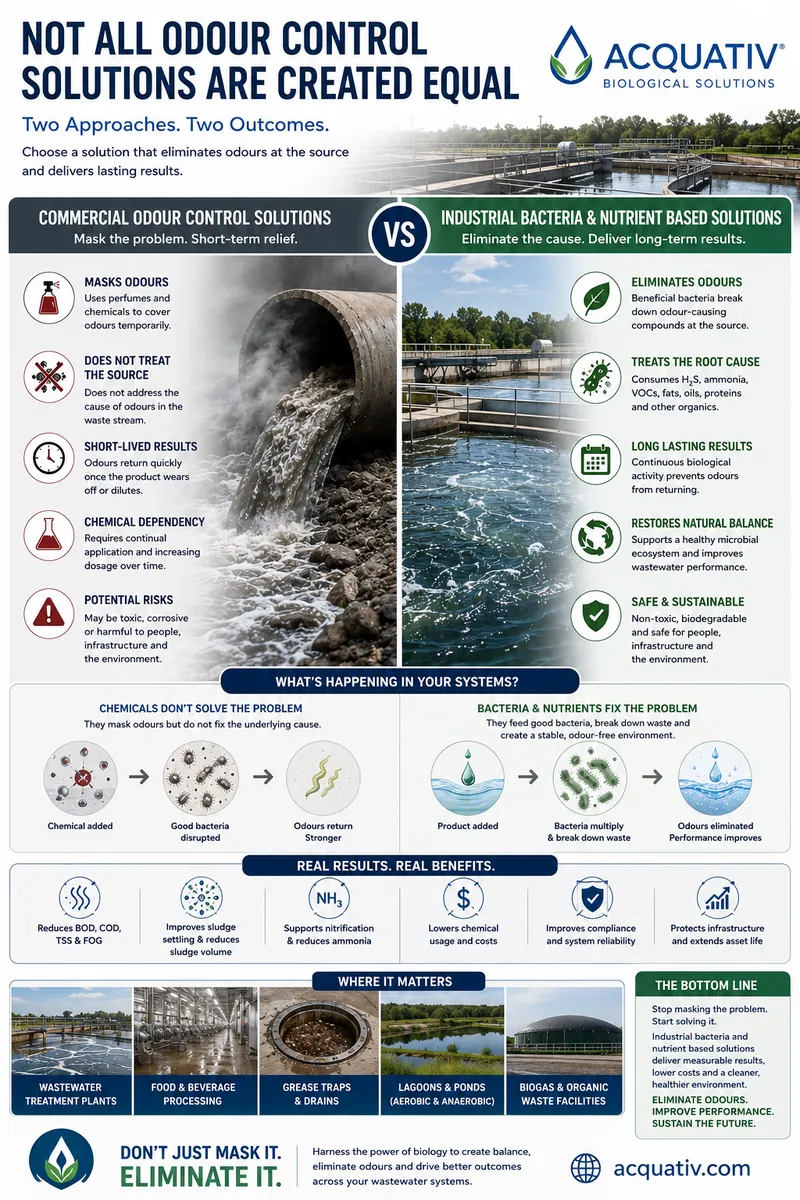
The old model was simple and expensive. A grease trap overflowed, a lagoon turned septic, an odour complaint landed on a council desk - and a tanker, a caustic drum or a masking agent arrived to make the problem go away for a week or two. The underlying microbial community was never addressed, so the cycle repeated.
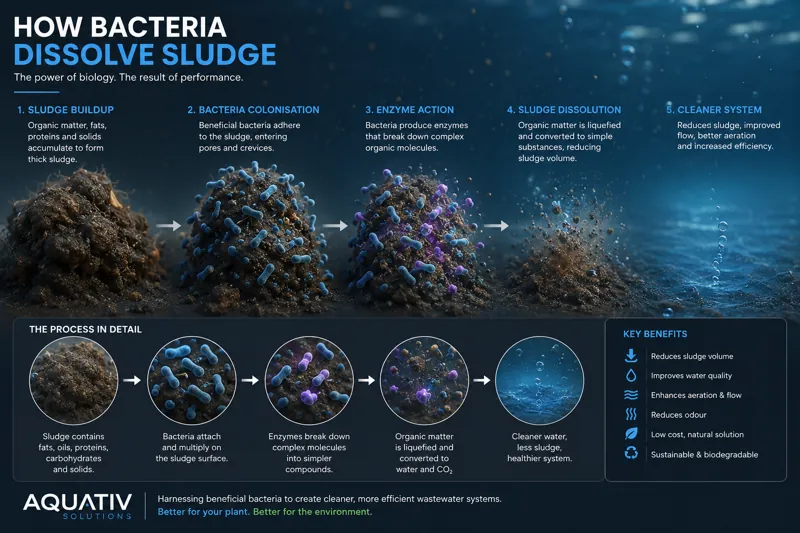
Programmed biological dosing inverts that logic. Instead of waiting for a failure, operators introduce selected microbial consortia at a steady, low rate. The bacteria establish in the biofilm, out-compete nuisance organisms, and metabolise the substrates - fats, oils, greases, sulphides, ammonia - that cause the visible symptoms. The result is fewer incidents rather than faster responses to them.
What changed in the Australian market
Three shifts have pushed biological treatment from optional to expected on many sites.
- Trade waste enforcement has sharpened. Water authorities in most capitals now monitor BOD, FOG and pH more aggressively, with non-compliance surcharges that easily eclipse the cost of a dosing program.
- Chemical and tanker pricing has climbed. Caustic, sodium hypochlorite and pump-out rates have all increased materially since 2022, making chemical-led maintenance harder to justify.
- ESG reporting now reaches operational sites. Large hospitality and food groups are asked to evidence reduced chemical use and lower haulage emissions - biological programs produce clean numbers for both.
Where the gains show up first
On commercial kitchens, the first visible change is usually grease trap odour and the interval between pump-outs. Sites that previously serviced traps every four to six weeks routinely extend to eight to twelve weeks once a stable biofilm is established upstream.
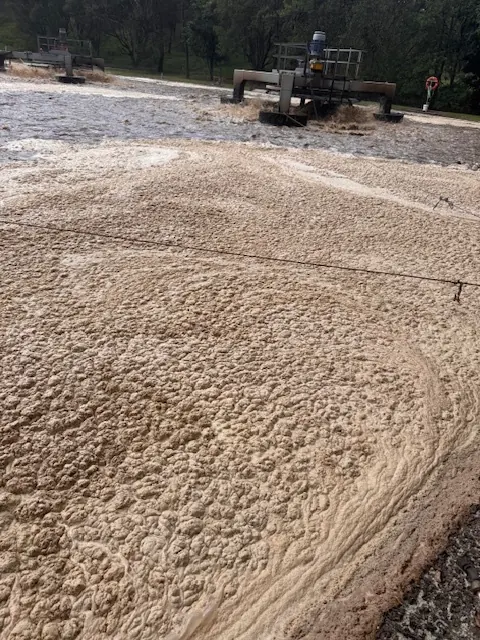
On wastewater plants, the gains are quieter but more valuable. Sludge yields fall, foaming events become rarer, and nitrification recovers faster after shock loads. Operators report fewer 2am call-outs - a metric that rarely makes the annual report but defines whether a plant is well-run.
What good programs have in common
Not every biological product is built for Australian conditions, and not every dosing schedule survives contact with a real site. The programs that hold up share a few characteristics: strain selection matched to the substrate, dosing rates tied to load rather than calendar, and a feedback loop with the operator so the program adapts as the site changes.
The shift to mainstream isn't a marketing story. It's a quiet operational rewrite happening one site at a time, as the maths of reactive maintenance stops adding up.
Related Aquativ solutions
Explore the programs behind the field notes above.
Product range
Biological programs for home, commercial and industrial systems.
ExploreAll wastewater sectors
Eight sectors, from septic to abattoir and municipal plants.
ExploreIn-situ desludging
Microbial plug programs for aerobic and anaerobic lagoons.
ExploreGrease trap treatment
Biological FOG control for kitchens and food venues.
Explore