
FOG management: prevention beats emergency pump-outs
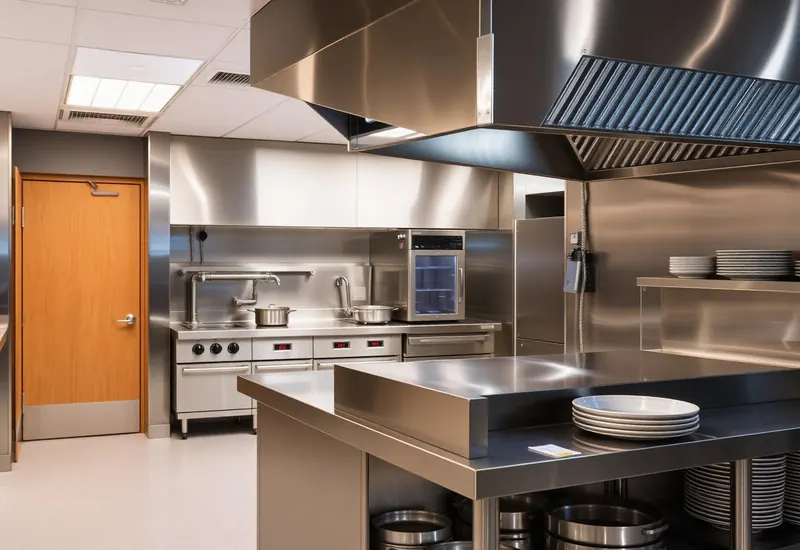
Fats, oils and grease (FOG) are the most predictable failure mode in commercial kitchens, and the most expensive to manage badly. Every venue produces them, every trade waste authority regulates them, and almost every site under-invests in preventing them until a blockage forces the conversation. The economics of waiting are worse than most operators realise.
Why grease traps fail the way they do
A grease trap is a settling device, not a treatment device. Wastewater enters, FOG floats, solids sink, and the cleaner middle layer flows on to sewer. The trap works as long as the floating and settled layers stay within design limits. Once they don't, the trap stops functioning as a separator and starts functioning as an obstruction.
The reason traps fail prematurely is rarely the trap itself. It is the absence of any biological activity to break down the FOG that accumulates inside it. Without that activity, the only mechanism for removal is mechanical - a tanker.
The cost stack of reactive servicing
When sites budget grease trap maintenance, they usually count the tanker invoice. The real cost stack is larger.
- Pump-out fees, which have risen sharply with fuel and disposal gate fees.
- Trade waste surcharges when FOG, BOD or pH excursions are detected at the boundary.
- Plumbing call-outs for downstream blockages between the kitchen and the trap.
- Lost trading hours when a blockage forces a partial or full closure during service.
- Reputational cost when odour reaches the dining room or the street.
How upstream biological dosing changes the picture
Upstream dosing introduces lipase-producing bacteria at the points where FOG enters the drain - typically the dishwasher pit, the wok line and the floor wastes. The bacteria colonise the pipework biofilm and begin metabolising FOG before it reaches the trap.
Two things change quickly. First, the rate at which the floating layer accumulates in the trap slows, extending the safe interval between pump-outs. Second, the pipework between the kitchen and the trap stays clearer, which is where most emergency blockages actually occur.
Sites that move to a properly specified upstream program typically see pump-out intervals extend from four to six weeks out to eight to twelve weeks, and emergency plumbing call-outs fall to near zero. The dosing cost is a fraction of either line item.
What a credible program looks like
A workable FOG program is boring on purpose. It uses an automatic doser timed to dose overnight when flows are low, a bacterial blend selected for lipase activity at kitchen wastewater temperatures, and a service visit every three to six months to confirm dose rates against actual load. There is no silver bullet product - the discipline is in the dosing schedule and the strain selection, not in the bottle.
Pump-outs do not disappear. They become planned, infrequent and predictable. That is the entire goal.
Related Aquativ solutions
Explore the programs behind the field notes above.
Product range
Biological programs for home, commercial and industrial systems.
ExploreAll wastewater sectors
Eight sectors, from septic to abattoir and municipal plants.
ExploreIn-situ desludging
Microbial plug programs for aerobic and anaerobic lagoons.
ExploreGrease trap treatment
Biological FOG control for kitchens and food venues.
Explore