How to Maintain a Septic Tank in Australia: A Practical Guide
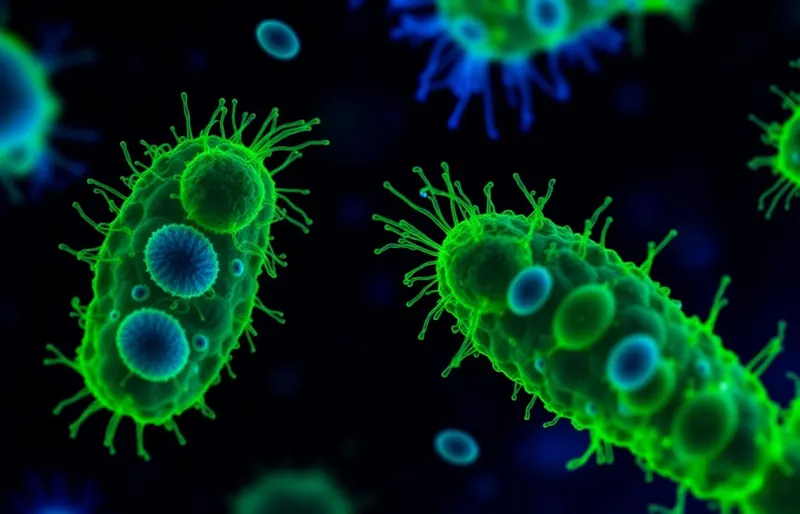
A septic tank relies on bacteria to break down household waste. Most septic problems, such as odour, slow drains and soggy absorption areas, come from that biology being upset or the tank simply being overdue for a pump-out. Good maintenance is mostly about protecting the bacteria and keeping solids out of the drain field.
How a septic tank works
Wastewater flows into the tank, where heavy solids settle as sludge and fats float as scum. Bacteria slowly digest the organic matter, and the clarified liquid flows out to an absorption trench or, in an aerated wastewater treatment system (AWTS), to further treatment and irrigation.
Everyday habits that protect your system
Small habits make the biggest difference over the life of a system:
- Avoid pouring fats, oils and grease down the sink; wipe pans before washing.
- Use bleach, disinfectants and drain cleaners sparingly, as they kill the bacteria the tank depends on.
- Never flush wipes, sanitary products, cigarette butts or paper towel.
- Spread out heavy water use such as washing loads so the tank is not flooded in one go.
- Fix leaking taps and toilets that add constant extra water.
- Keep vehicles and heavy loads off the tank and absorption area.
When to pump out
Pump-out timing depends on tank size, the number of people in the house and water use. Many households need a pump-out every few years, but your local council and system manufacturer set the requirements for your property. AWTS owners in most Australian states also need regular servicing by a licensed technician.
Pump out sooner if you notice sludge and scum taking up a large part of the tank, odour around the lid, or effluent surfacing in the absorption area.
Warning signs of a struggling septic tank
Common signs include:
- Rotten egg or sewage odour inside or outside the house.
- Slow drains or gurgling plumbing.
- Wet, smelly or unusually green patches over the absorption area.
- Backups into the lowest drains in the house.
Where bacterial septic treatment fits
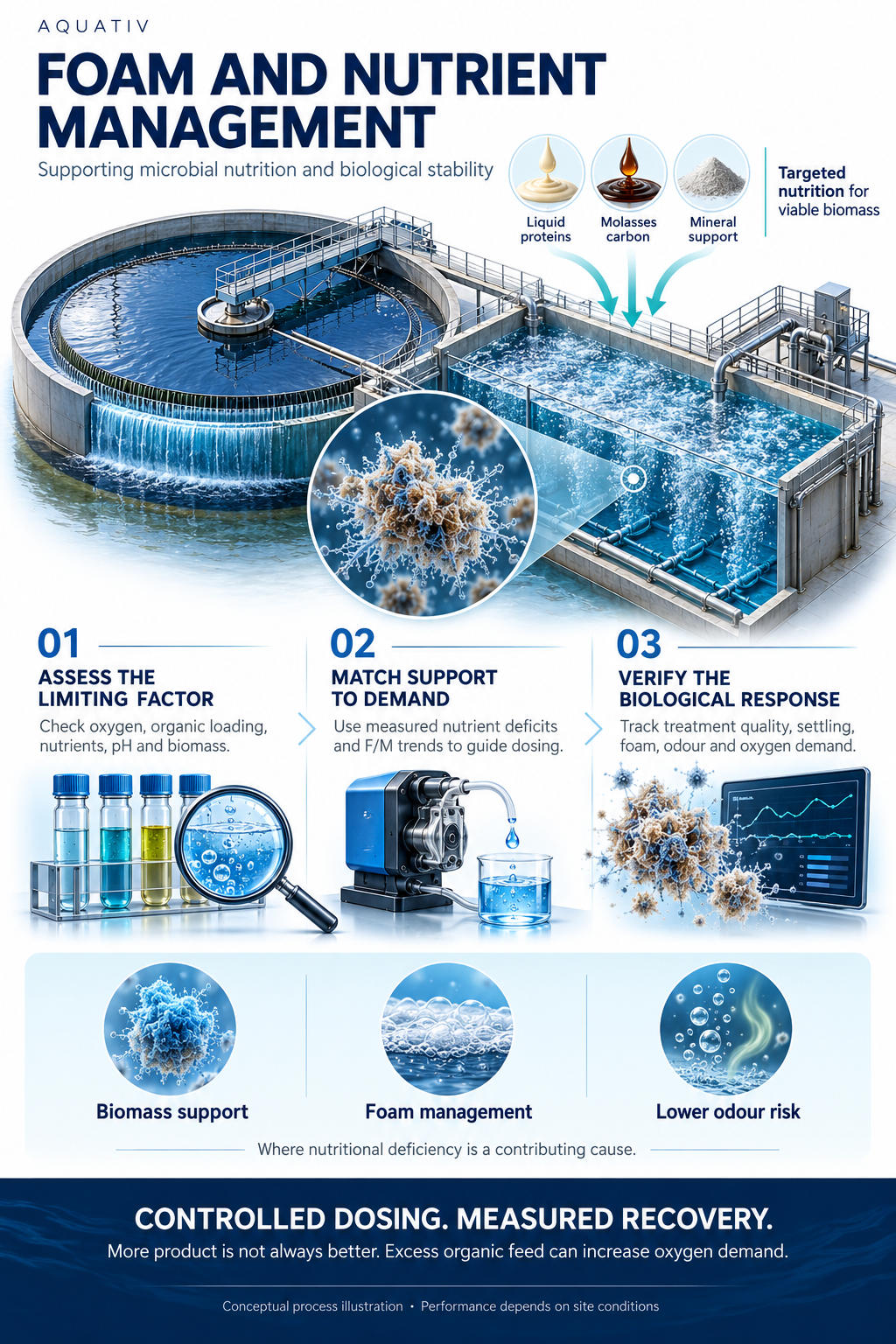
A healthy tank usually has plenty of its own bacteria. Bacterial treatments are most useful when the biology has been knocked back, for example after antibiotics, heavy cleaning chemical use, a pump-out or a long period of low use. Adding selected bacteria and enzymes can help re-establish digestion of solids, fats and paper.
Treatment supports good habits and scheduled pump-outs; it does not replace them, and it cannot fix a broken pipe, a failed absorption field or an undersized system. If you are unsure what your system needs, contact Aquativ with your system type and the symptoms you are seeing.
Related Aquativ solutions
Explore the programs behind the field notes above.
Product range
Biological programs for home, commercial and industrial systems.
ExploreAll wastewater sectors
Eight sectors, from septic to abattoir and municipal plants.
ExploreIn-situ desludging
Microbial plug programs for aerobic and anaerobic lagoons.
ExploreGrease trap treatment
Biological FOG control for kitchens and food venues.
Explore